What Steps Should You Take After a Car Accident to Protect Your Injury Claim?

A car accident can leave you dealing with much more than vehicle damage. Pain, medical appointments, missed work, repair bills, and uncertainty about what comes next can quickly become part of your daily life. For people dealing with injuries caused by another driver's conduct, timely documentation and careful communication can be particularly important.
According to the National Highway Traffic Safety Administration (NHTSA), approximately 36,640 people were killed in motor vehicle crashes in 2025, a 6.7% decline from 2024 and the second-lowest traffic fatality rate ever recorded. Taking practical steps and working with an auto accident attorney after a collision can help protect important evidence and give you a stronger foundation for an injury claim.
Daniel T Pagliarini AAL helps injured clients understand their options and take appropriate action after serious vehicle collisions. With an office in Honolulu, the firm serves clients throughout Oahu, Maui, Kauai, Lanai, and the main island of Hawaii. Reach out for help evaluating the circumstances surrounding your accident and potential claim.
Your health should come first after a collision, even when injuries initially seem minor. Some conditions don't become apparent until hours or days after an accident, so obtaining medical attention creates an opportunity for a healthcare provider to evaluate your condition and document any injuries.
Keep records related to your treatment, including medical bills, prescriptions, diagnostic testing, referrals, and follow-up appointments. If your doctor recommends additional care, following that plan also creates a record showing how your injuries have affected you over time.
It's also important to tell your healthcare provider about symptoms that develop after the collision. Pain, stiffness, headaches, dizziness, reduced mobility, or other changes can be relevant to your medical record.
A medical history tied closely to the accident can provide useful documentation when an injury claim is evaluated. If questions arise about whether an injury was caused by the collision, contemporaneous medical records can provide important evidence.
Your provider's instructions can also help determine whether additional evaluation is appropriate as your condition develops. Completing recommended follow-up care gives your physician opportunities to reassess your symptoms and identify changes that weren't apparent during the initial examination.
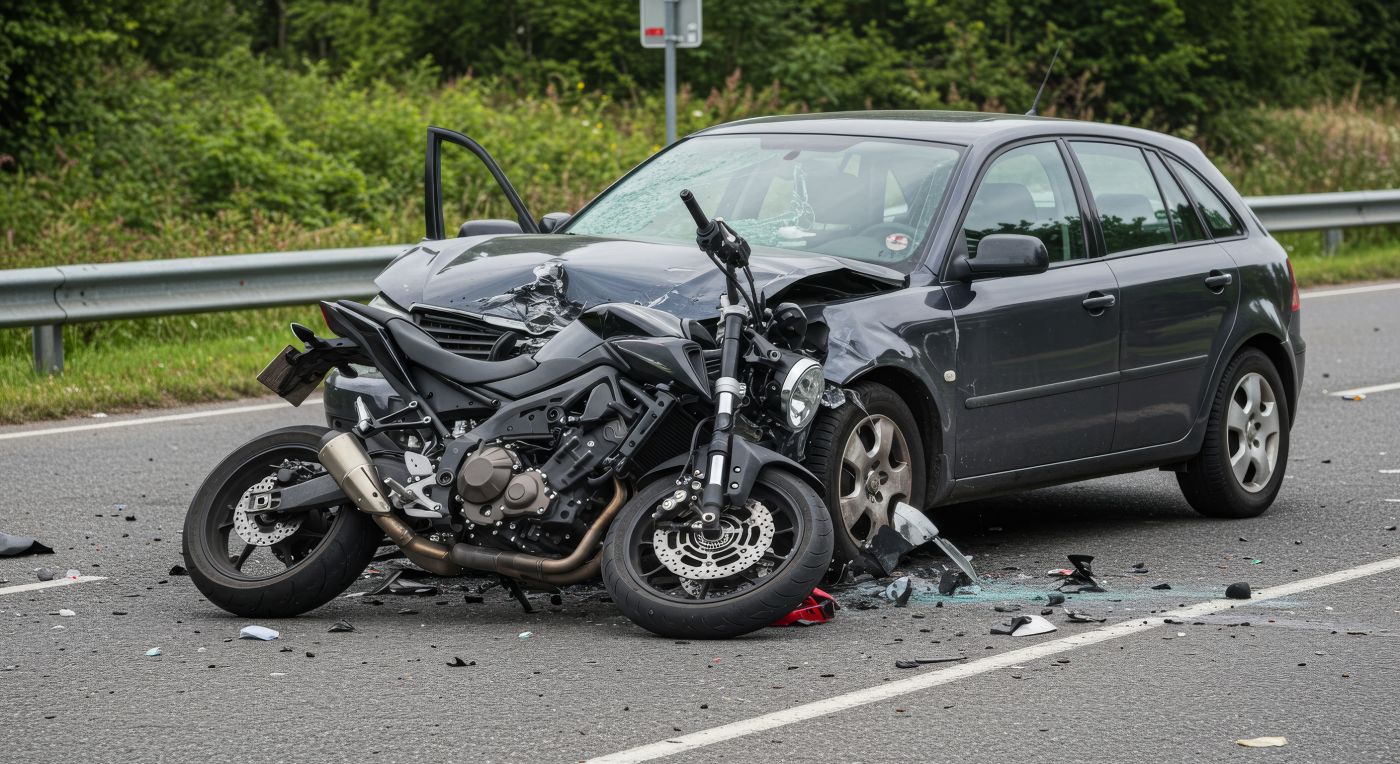
Information gathered soon after a crash can become valuable later, particularly when memories fade or physical evidence changes. If you're physically able to do so, document the scene and retain records connected to the collision.
Important evidence to preserve:
Photographs and videos: Take pictures of vehicle damage, road conditions, traffic signs, visible injuries, and the surrounding area when it's safe.
Driver information: Record the names, contact information, insurance details, and vehicle information for the other drivers involved.
Witness information: Get contact information for people who saw the collision and can describe what happened.
Official records: Keep a copy of the accident report and any other documents provided after the crash.
Personal records: Save medical bills, repair estimates, wage-loss documentation, receipts, and notes about how your injuries affect everyday activities.
Avoid repairing or disposing of damaged property before it has been adequately documented. Photos, records, and other evidence can help establish what happened and the losses associated with the accident.
Daniel T Pagliarini AAL can review available information and identify evidence that can support a client's injury claim. Preserving documentation early also gives an experienced lawyer more material to evaluate when assessing the circumstances of the collision.
Insurance companies often begin investigating an accident shortly after it occurs. You can expect questions about what happened, your injuries, treatment, and other circumstances surrounding the collision.
Answering basic factual questions is different from making broad statements about your physical condition or accepting an insurer's assessment of your claim. Avoid guessing about details you don't remember, minimizing your injuries, or making definitive statements before you know the full extent of your condition.
You should also be cautious about signing documents or accepting a settlement before you understand what you're giving up. A settlement can affect your ability to pursue additional compensation for injuries and losses associated with the accident.
Pay attention to the purpose of any information an insurer requests, particularly when the request involves medical records, recorded statements, or authorization forms. Understanding what you're being asked to provide can help you avoid giving information that extends beyond what is necessary to evaluate the collision claim.
If an insurer disputes liability or questions your injuries, an auto accident attorney can review the available evidence and communications to determine how the claim should be addressed. Having legal guidance can also help you understand what information is relevant before responding to significant requests from an insurer.
An injury claim isn't limited to medical bills. Depending on the circumstances, accident-related losses can include other financial and personal consequences.
Keep a running record of expenses and changes caused by the collision. This can include transportation costs for medical appointments, property damage, missed work, reduced earning capacity, and other documented expenses.
These records can help demonstrate the practical consequences of an injury instead of relying entirely on memory months later. They can also help an auto accident attorney assess the overall impact of the collision when reviewing a potential claim.
Daniel T Pagliarini AAL assists clients by examining the available evidence, reviewing accident-related losses, and addressing issues that can arise during an injury claim. The firm can help clients understand what documentation matters and how their circumstances may affect potential compensation.
Protecting an injury claim starts with the steps taken after the collision. Seeking medical care, preserving evidence, documenting losses, and communicating carefully with insurers can help establish a clear record of what happened and how the accident affected you.
Daniel T Pagliarini AAL provides guidance to clients dealing with the consequences of serious vehicle collisions and related injuries. The firm serves clients throughout Oahu, Maui, Kauai, Lanai, and the main island of Hawaii. Call discuss your accident and learn how their auto accident attorney can help with your injury claim.
Should I take photographs of my injuries after a car accident?
Yes. Photographs can document visible injuries as they appear over time. Take clear photos when appropriate and continue documenting significant changes while also obtaining medical care.
What records should I keep after an accident injury?
Keep medical records and bills, prescription information, accident reports, repair estimates, insurance correspondence, wage-loss documentation, receipts for accident-related expenses, and notes describing how your injuries affect daily activities.
How can Daniel T Pagliarini AAL help me after a car accident?
Daniel T Pagliarini AAL can review the circumstances of your collision, examine available evidence, assess documented losses, and advise you about options for pursuing an injury claim. Their auto accident attorney can also address disputes with insurers and other issues that arise during the claims process.