How a Pedestrian Accident Lawyer Can Help After a Crosswalk Accident
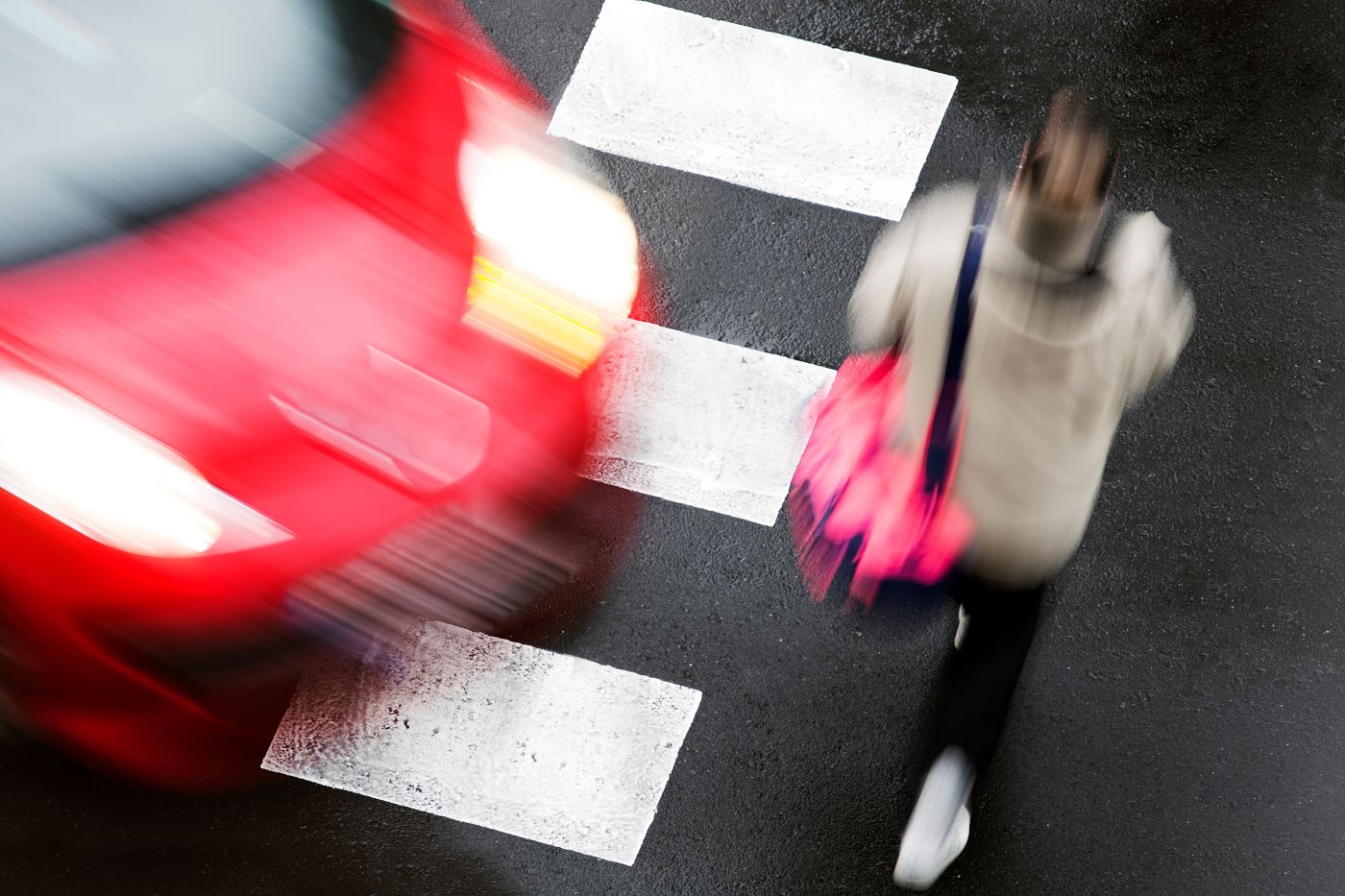
A crosswalk accident can leave an injured pedestrian facing medical treatment, missed work, and insurance calls.
A pedestrian accident lawyer can investigate the crash, preserve evidence, communicate with insurers, and pursue compensation.
Important evidence includes the police report, witness statements, camera footage, medical records, and the driver’s conduct before impact.
A pedestrian accident lawyer can provide valuable guidance after a crosswalk collision, helping injured pedestrians protect their rights while they focus on recovery. Even when someone is using a marked crosswalk, a negligent driver can cause life-changing injuries in just seconds.
Following a serious accident, an injured pedestrian can be left dealing with emergency medical care, ongoing treatment, lost income, physical pain, and insurance companies looking to resolve the claim quickly. Taking the right steps early can help preserve important evidence and protect the ability to seek compensation.
For individuals injured throughout Honolulu, Hawaii, Daniel T. Pagliarini AAL helps pedestrians pursue compensation after serious crosswalk accidents. If you were hurt because of a negligent driver, contact the firm today to schedule a free consultation and discuss your legal options.
Many people assume that a crosswalk accident is simple because the pedestrian was in a designated crossing area. In practice, these cases can involve disputes over traffic signals, visibility, right of way, vehicle speed, driver attention, and whether the pedestrian had time to react. The driver may claim that the pedestrian entered suddenly, crossed against a signal, or was difficult to see.
A pedestrian accident lawyer helps evaluate those claims against the available evidence. The goal is not just to say that a crash happened, but to prove how it happened, why it happened, and how the injuries changed the pedestrian’s life. Compensation often depends on documentation, causation, and credibility.
Definition: Liability
Liability refers to legal responsibility for an injury-causing event. In a crosswalk accident, liability may depend on whether a driver failed to yield, ignored a signal, drove distracted, sped through an intersection, or otherwise acted negligently.
Pedestrian crashes continue to cause thousands of serious injuries each year across the United States. According to the Centers for Disease Control and Prevention (CDC), pedestrian injuries remain a significant public health concern. The National Highway Traffic Safety Administration (NHTSA) also encourages drivers to stay alert, slow down near crosswalks, and yield to pedestrians when required by law. These findings underscore the importance of thoroughly investigating every crosswalk accident.
A strong pedestrian injury claim begins with a careful investigation. This can include reviewing the police report, identifying witnesses, locating traffic or surveillance footage, examining scene photographs, and comparing the crash location with traffic controls. Evidence can disappear quickly, especially video footage from nearby businesses or public cameras.
An attorney can also look for details that may not be obvious at first. Road design, lighting, signage, weather, vehicle position, skid marks, and driver statements can all affect how the case is assessed. These details can help clarify whether the driver had enough time and visibility to avoid impact. They may also help counter incomplete assumptions about how the pedestrian moved through the crosswalk.
After a crosswalk accident, an insurance adjuster may ask for a recorded statement, medical authorization, or a quick settlement discussion. These requests can sound routine, but they can affect the claim. A statement given too early can be used to challenge the injury, minimize pain, or suggest the pedestrian was partly responsible.
A pedestrian accident attorney can manage these communications and help keep the claim focused on documented facts. That support can reduce pressure on the injured person and prevent avoidable mistakes.
Pedestrian accidents often cause serious injuries because the human body has little protection against a vehicle. Even at lower speeds, a pedestrian can suffer fractures, head injuries, back and neck trauma, knee damage, shoulder injuries, internal injuries, or lasting pain.
Medical documentation is central to the claim. A lawyer can help organize treatment records, billing information, provider notes, imaging results, and future care recommendations. This documentation can show how the injury affects daily life, work capacity, mobility, sleep, transportation, and independence.
Definition: Damages
Damages are the losses a person seeks to recover after an injury. In a pedestrian accident claim, damages can include medical expenses, lost income, reduced earning ability, pain and suffering, future care needs, and other crash-related losses.
To pursue compensation, the injured pedestrian typically needs to show that the driver acted carelessly and that this conduct caused harm. Negligence can involve failing to yield at a crosswalk, turning without checking for pedestrians, running a red light, ignoring a stop sign, speeding, texting, or driving while impaired.
Evidence of negligence can come from several sources. The crash report may include citations or observations from the responding officer. Witnesses may describe the driver’s speed or behavior. Camera footage can show the traffic signal sequence or the vehicle’s movement before impact.
Crosswalk accident claims are affected by Hawaii traffic laws, local road conditions, insurance practices, and court procedures. Familiarity with these factors can help identify issues that influence liability and damages, particularly when accidents occur near schools, tourist destinations, commercial districts, or heavily traveled intersections.
The Hawaii Department of Transportation's Walk Wise Hawaii program also provides safety information for both drivers and pedestrians, reinforcing the importance of following traffic laws and remaining attentive at intersections.
After getting medical care, an injured pedestrian should try to preserve as much information as possible. Photographs of the scene, the vehicle, injuries, traffic signals, weather conditions, and visible road markings can help later. Contact information for witnesses can also be important. Preserving these records also helps establish consistency between the first medical visit and the continuing effects reported later in the claim.
It's also wise to keep copies of medical bills, discharge instructions, prescriptions, work restriction notes, and correspondence from insurance companies. Your auto accident lawyer can review the situation early and explain what steps can help preserve the injured person’s rights.
A crosswalk accident can affect far more than the moment of impact. It can disrupt health, work, family responsibilities, transportation, and financial stability. Legal representation helps bring structure to the process by preserving evidence, managing insurer communications, evaluating damages, and advocating for a fair result.
If you were injured in a crosswalk accident in Honolulu, Hawaii, Daniel T Pagliarini AAL can help you understand your next steps and pursue the compensation available for your losses. Contact Attorney Dan Pagliarini today to discuss your situation and get focused guidance after a serious pedestrian injury.