How Is Fault Determined After a Motorcycle Accident?
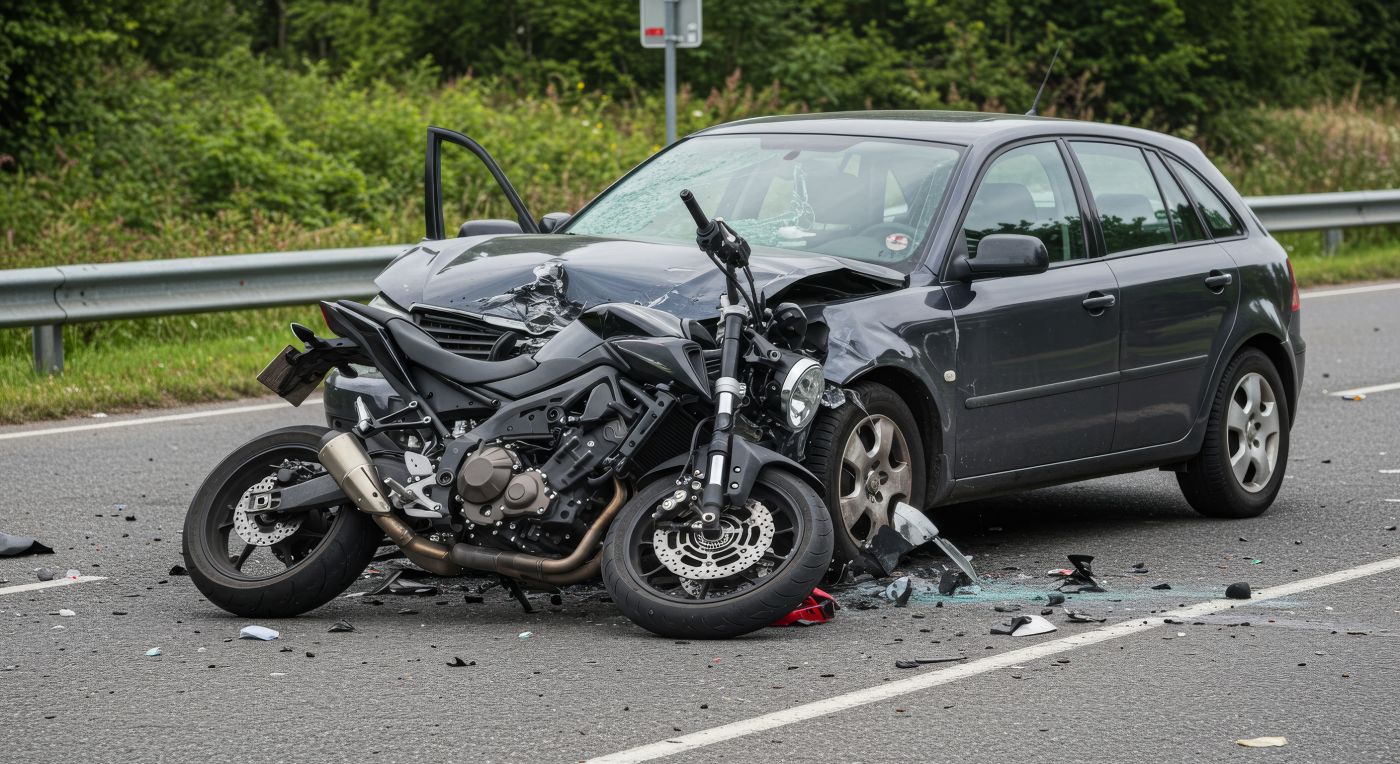
Fault depends on the evidence: Police reports, photographs, witness accounts, vehicle damage, traffic laws, and other evidence can help establish what happened.
More than one person can share responsibility: Hawaii uses comparative negligence, which allows fault to be assigned among the parties involved.
Motorcycle crashes require careful evaluation: Speed, right-of-way, lane changes, visibility, impairment, road conditions, and rider conduct can all become relevant.
An attorney can help assess the claim: An experienced lawyer can review the available evidence and determine how the facts support a potential injury claim.
It isn't always obvious who caused a motorcycle accident. For example, a driver can claim the motorcyclist was speeding, while the rider can believe the driver failed to yield. Auto accident attorneys can evaluate the available evidence to determine what actually happened, rather than relying on assumptions about who was responsible.
Daniel T. Pagliarini AAL helps clients examine the circumstances surrounding motorcycle and motor vehicle accidents. If you've been injured on Oahu, Maui, Kauai, Lanai, or the main island of Hawaii, contact the firm to discuss your situation.
Fault is generally determined by examining the actions of everyone involved and considering whether someone failed to act reasonably under the circumstances. The evidence available after a crash can help establish what each person did before the collision.
According to the National Highway Traffic Safety Administration, 6,335 motorcyclists were killed in traffic crashes in 2023, representing 15% of all traffic fatalities. NHTSA also reported that the motorcyclist fatality rate was nearly 28 times the passenger car occupant fatality rate that year.
Evidence in a motorcycle accident claim can include:
Police reports: Officers can document the location, vehicles, statements, citations, and apparent circumstances of the crash.
Photographs and video: Images can show vehicle damage, road conditions, traffic signals, skid marks, and the surrounding area.
Witness statements: People who saw the accident can provide information about vehicle movements and what happened immediately before impact.
Medical records: Treatment records can document injuries and connect them to the accident.
Vehicle information: Damage patterns can help illustrate the direction and force of an impact.
No single piece of evidence necessarily determines fault. You must evaluate the circumstances together.
Fault refers to the responsibility for causing an accident or contributing to the injuries or damage resulting from it. Fault can involve negligent driving, a traffic violation, or another action or failure to act that contributed to the collision.
Motorcycle accident claims often involve questions about how each person was driving immediately before the crash. A driver who turned across a motorcycle's path, changed lanes without checking, followed too closely, or failed to yield can potentially bear responsibility.
A motorcyclist's conduct can also factor into the analysis. Questions about speed, lane position, following distance, traffic signals, helmet use, or other circumstances can affect how responsibility is assessed. Auto accident attorneys can consider these details when evaluating how responsibility should be assessed.
According to the Hawai'i Department of Transportation, 102 people were killed in traffic-related crashes statewide during 2024. HDOT reported that speeding was listed as the primary contributing factor in 24 of those fatal crashes, while 11 involved suspected impairment.
Hawaii law recognizes comparative negligence when determining responsibility for injuries. This means the injured person doesn't automatically lose the ability to recover simply because they also contributed to the accident.
According to Hawaii Revised Statutes 663-31, contributory negligence does not bar recovery when the injured person's negligence is not greater than the negligence of the person or persons against whom recovery is sought. The statute also reduces damages in proportion to the negligence attributed to the injured person.
Comparative negligence is a legal principle that assigns percentages of responsibility to the parties involved in an accident. When an injured person's negligence contributes to the accident, the amount recoverable can be reduced according to that person's share of fault.
For example, if you were determined to be partly responsible for a motorcycle accident and another driver was primarily responsible, your damages can be reduced according to your percentage of responsibility. The specific application depends on the facts and applicable law.
Some crashes happen quickly, leaving different people with different accounts of what occurred. A driver might say a motorcycle appeared suddenly, while the rider might say the driver entered their lane without warning.
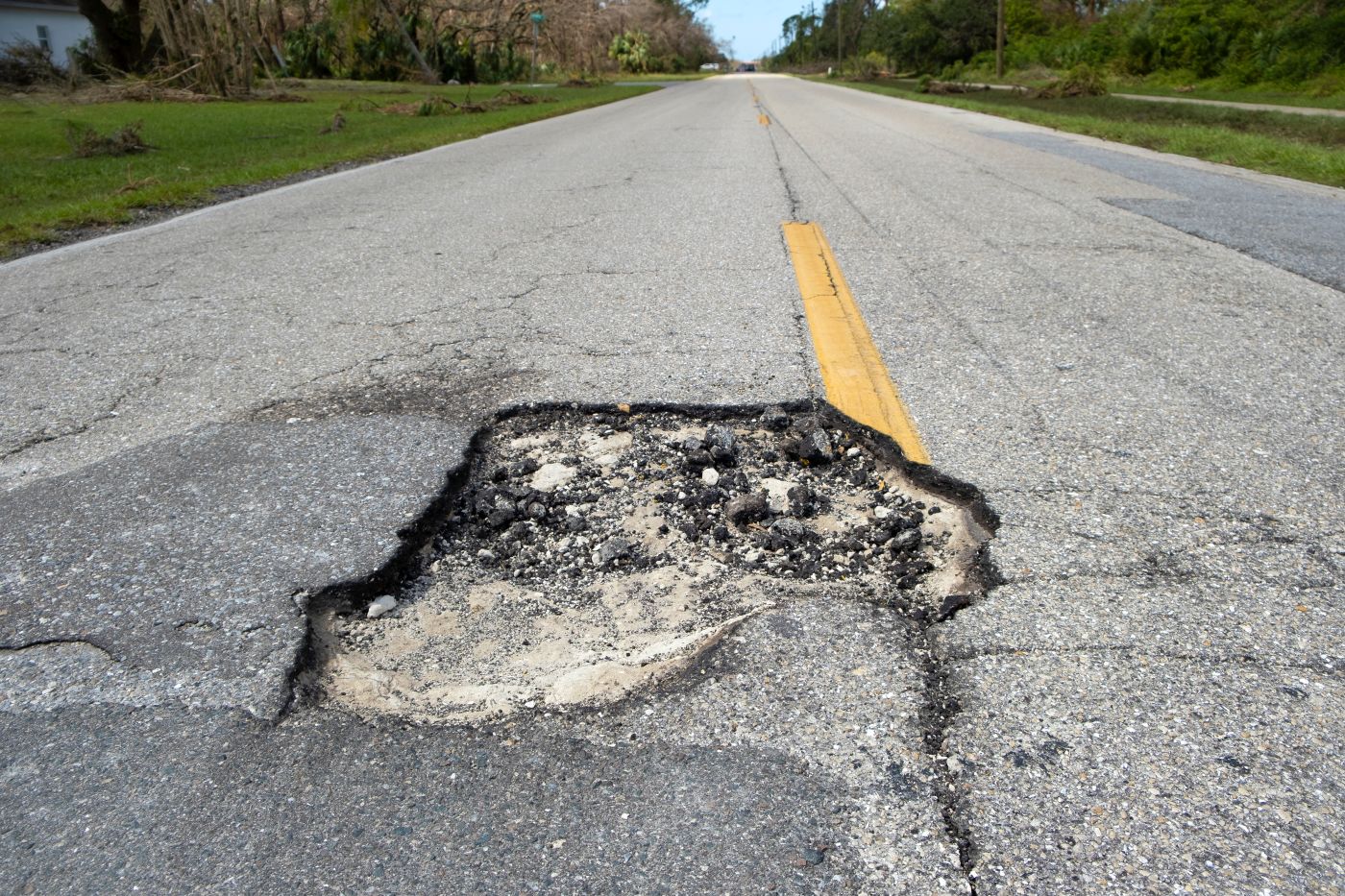
Road conditions can also become relevant. Poor visibility, construction, debris, traffic congestion, roadway design, or malfunctioning signals can affect how a collision occurred.
Other questions can include:
Whether a driver had the right of way
Whether a vehicle changed lanes improperly
Whether either party was traveling too fast for the conditions
Whether a traffic signal or sign was disregarded
Whether distraction or impairment contributed to the collision
Whether road conditions contributed to the accident
These details matter most when the parties disagree about what happened. An attorney can review the available information and identify evidence that supports your account.
After a serious motorcycle accident, you can have more to deal with than determining who caused the collision. Medical treatment, insurance communications, vehicle damage, lost wages, and other concerns can demand your attention.
An experienced lawyer can review accident reports, medical records, photographs, witness information, insurance documents, and other evidence relevant to your claim. The attorney can also assess arguments that another party can raise about your own conduct.
An auto accident attorney can help evaluate the available information and explain your legal options. If your motorcycle accident involved another vehicle, the attorney can also teach you more about car accident injury representation.
Determining fault after a motorcycle accident requires more than deciding which vehicle struck the other. The circumstances before the collision, the conduct of each person involved, roadway conditions, available evidence, and Hawaii's comparative negligence rules can all affect a claim.
If you've been injured, you don't have to determine how those factors apply to your situation on your own. Daniel T. Pagliarini AAL evaluates your legal options after motor vehicle accidents. Carefully reviewing the facts can provide a clearer picture of what happened and what options are available.
Possibly. Hawaii's comparative negligence law can allow an injured person to recover when their negligence isn't greater than the negligence of the party or parties from whom recovery is sought. Any recovery can be reduced according to the injured person's percentage of negligence.
The other driver's statement doesn't automatically establish fault. Police reports, photographs, witness accounts, vehicle damage, medical records, traffic laws, and other evidence can be reviewed to determine what actually happened. Auto accident attorneys can review conflicting accounts and other evidence when the cause of a motorcycle accident isn't immediately clear.
Attorney Daniel T. Pagliarini can review the circumstances of your accident, assess the available evidence, and explain your legal options. Daniel T. Pagliarini AAL represents local residents and visitors injured in accidents throughout Oahu, Maui, Kauai, Lanai, and the Big Island of Hawaii.