Do You Know Hawaii’s Car Accident and Insurance Laws? If Not, Time to Learn!

Key Takeaways
Hawaii drivers must carry PIP ($10,000 per person), bodily injury liability ($20,000/$40,000), and property damage liability ($10,000) to ensure basic protection for medical expenses and property damage.
After an accident, you must stop, exchange information, and notify police for injuries, fatalities, or property damage over $3,000. Filing a report protects your ability to make an insurance claim.
Additional insurance (UM/UIM, collision, alternative care, wage loss) can provide extra protection, and if insurance claims fall short, you may have up to 2 years to consider filing a lawsuit.
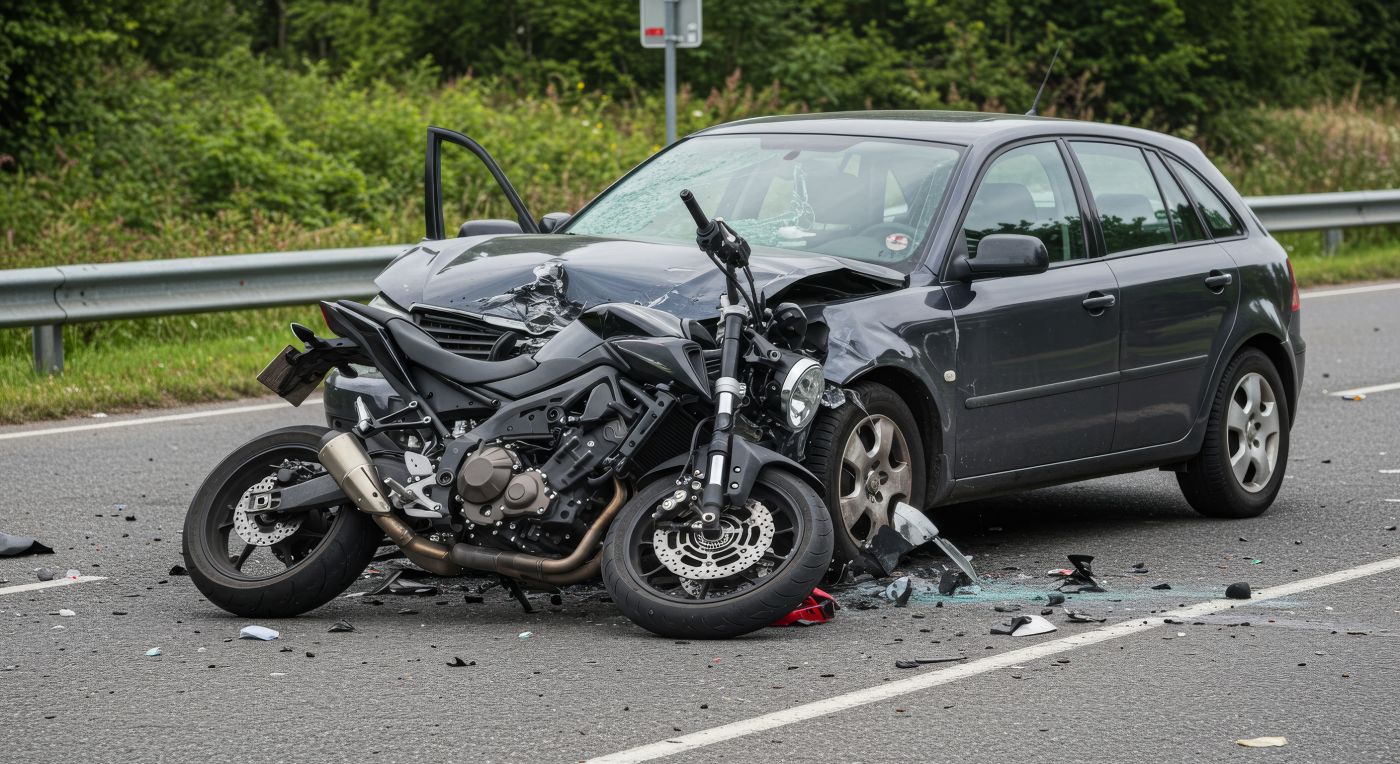
No one wants to get in a car accident, but whether due to unfavorable weather conditions or another driver’s failure to follow traffic laws, you may at some point find yourself facing the daunting task of working with law enforcement and insurers. Car accidents are scary enough without the panic that comes from wondering if you’ll somehow end up with a ticket. Check your compliance with the following requirements now to prevent worries in the future.
Insurance is expensive, and when you increase coverage amounts or opt for additional policies, your monthly bill is likely to rise. We understand the desire to make your payment as small as possible—after all, everyone has other important expenses—but there are certain coverages you can’t cut. The mandatory minimum insurance requirements for any Hawaiian driver are:
$10,000 per person in personal injury protection (PIP) coverage
$20,000 per person/$40,000 per accident bodily injury liability
$10,000 per accident property damage liability
This coverage provides the basics to ensure car accident victims can take care of their health and any damaged property (such as their car) without having to pay out-of-pocket. Each is important and, if someone else runs into you, can help provide a safety net during your recovery.
As a no-fault state, Hawaii requires drivers to carry PIP coverage so anyone involved in an accident can access medical care without having to navigate a time-consuming insurance negotiation process first. PIP will cover necessary medical care for you and your passengers, plus any bikers or pedestrians involved in the accident, even if you weren’t at fault. Your insurer can later recover their expenses from the at-fault driver’s insurer.
Unlike PIP, bodily injury coverage does not pay for your medical needs after an accident. The at-fault driver’s bodily injury insurance covers medical and other related expenses only for the victims of the accident.
PIP is helpful if you’re hit with high medical bills, but it doesn’t cover any damage to your car. The at-fault party’s property damage insurance will pay your repair bill and either replace or restore other major assets harmed in an accident.
Sometimes, the minimum limits don’t cover the treatment you need after a car accident. Even worse, you may find yourself on the hook for everything if an uninsured driver hits you. Hawaii residents should seriously consider purchasing the following additional types of insurance for more protection:
Collision & comprehensive coverage
Wage loss coverage
Alternative care coverage (to cover alternative medicines other policies may not)
Uninsured motorist and underinsured motorist coverage (UM and UIM)
Death and funeral benefits
PIP managed care coverage
PIP deductible coverage
Additional insurance will defray your medical bills if you’re in an accident that causes serious damage but falls below the threshold for lawsuit eligibility.
So you were in a fender bender: Do you need to call the police? Do you have to talk to the other driver? What if you hit a parked car and its owner isn’t around?
If the accident caused any injuries or property damage, no matter how small, you must stop as soon as possible and return to the scene. If you do not, you could be fined up to $500, depending on the scope of the damages (see Hawaii Code §291C-12, 12.5, and 12.6). You must stay at the scene of an accident, per §291C-14, until you have:
Given the other party/parties your name, address, and vehicle registration number
Shared your driver’s license/permit, if requested by other party/parties
Showed your driver’s license/permit to any law enforcement officers on site
Helped any injured parties arrange for or access medical treatment
If you cannot deliver your information directly to the party/parties involved, you must make a police report that includes everything they may need to file an insurance claim. Though not required by law, it’s kind to also leave your name and contact information with any damaged property so its owner knows how to reach you.
When, as a result of the accident,
anyone is injured,
anyone is killed, or
any one person accrues $3,000 or more in property damage,
you must deliver written notice to the police within 24 hours. In this report, you are required to provide any relevant information requested by law enforcement, even if it goes beyond the bounds of what is required by §291C-12.
By law, any driver involved in an accident that meets the standards above should file a report. If police do not respond to the scene of the accident, do not assume the other driver will make a statement—even if they admit they were at fault.
Insurers often look to accidents report to help determine who caused the wreck and if the injuries and property damage you’re claiming seem reasonable. If no one can find records of the incident, your claim could be denied.
If your insurance claim is denied or the settlement offered does not meet your needs, you may want to consider escalating the case by filing a lawsuit. You only have 2 years after the accident to make your decision; and when it comes to legal processes, that’s less time than you might think.
If you were seriously injured, we recommend you speak with a lawyer to learn about your options. As a no-fault insurance state, Hawaii bans most car accident lawsuits, so your first step will be to learn whether you’re eligible to receive compensation.
Car accidents can result in lasting injuries, and sometimes you won’t even realize how badly you’ve been hurt until days or even weeks after the incident. In these circumstances it’s important you know your rights. Set up a free consultation with our office to learn whether you could be able to sue for compensation. You have nothing to lose—and much to gain.