Can You Sue for Road Hazards Causing a Moped Crash?
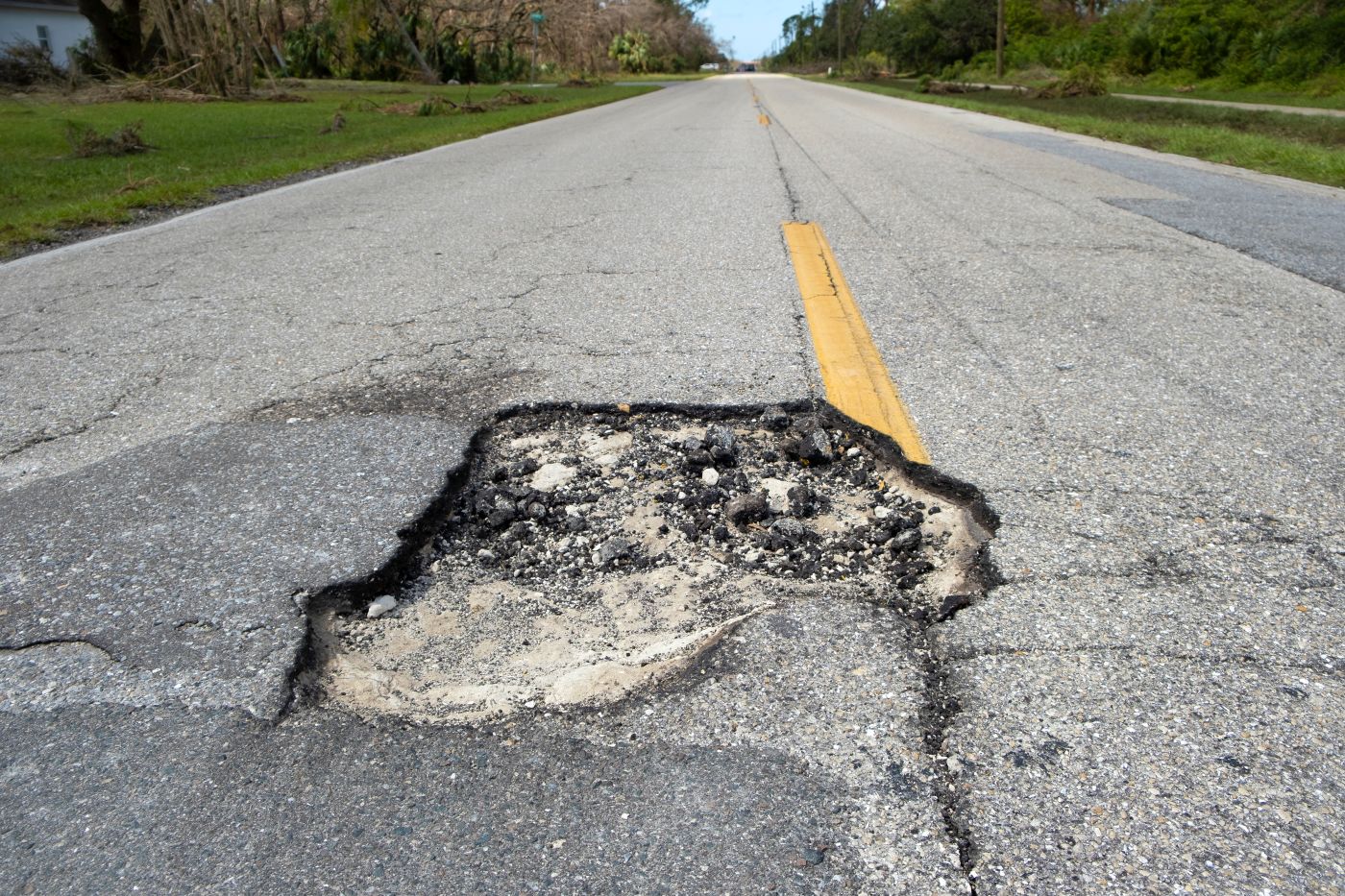
A road hazard can turn a routine moped ride into a serious crash within seconds. Potholes, loose gravel, broken pavement, poor drainage, construction debris, and missing warning signs can be especially dangerous for moped riders because two-wheeled vehicles have less stability than cars.
When a hazard causes a crash, the injured rider has the right to bring a claim if another person, business, contractor, or public entity failed to act with reasonable care. A claim depends on who controlled the roadway, who created the danger, and whether there was a fair chance to repair the condition or warn riders before someone was hurt.
Not every roadway defect creates a valid injury claim. A rider generally needs to show more than the existence of a dangerous condition. The claim often turns on whether someone had a duty to address the hazard, whether they knew or had reason to know about it, and whether the failure to repair, remove, or warn about the danger contributed to the crash.
Mopeds are more sensitive to unsafe roadway conditions than many larger vehicles. A surface defect that barely affects a car might force a moped rider to brake suddenly, swerve, lose balance, or fall. Location also matters because riders have less time to react near curves, intersections, shoulders, and traffic-heavy areas. Common roadway hazards include:
Potholes and broken pavement: A deep hole, cracked surface, or uneven patch might catch a moped tire and cause the rider to lose control.
Loose gravel or sand: Loose material reduces tire traction during turns, stops, and downhill travel, especially when warning signs are absent.
Standing water: Poor drainage makes the roadway slick, hides surface defects, and increases the risk of a fall.
Construction zone hazards: Temporary plates, unsecured materials, uneven transitions, and misplaced barriers create risks when work areas aren't kept reasonably safe.
After the hazard is identified, timing becomes important. A condition that appeared moments before the crash is different from a hazard that remained in place long enough for a report, inspection, or repair. Your Honolulu auto accident attorney will look at physical evidence and records to determine how long the danger existed and who had control over the location.
A moped crash might involve more than one source of fault. Liability turns on who controlled the area, who created the unsafe condition, and who had a fair chance to correct the danger before the crash. Different parties also have different records, reporting systems, and deadlines. Potentially responsible parties include:
Public entities: A government agency is sometimes responsible for maintaining roads, shoulders, traffic control devices, or drainage systems.
Construction contractors: A contractor might be liable when a work area creates an unsafe riding condition through poor setup, cleanup, or traffic control.
Private property owners: A property owner is sometimes responsible for unsafe conditions in parking lots, private lanes, entrances, or shared access areas.
Other drivers: A driver might be liable if cargo, spilled material, or careless conduct creates the hazard that causes the rider to crash.
Several parties sometimes share responsibility for one crash. A rider might encounter an unsafe roadway condition, while another person's conduct adds to the danger. A personal injury attorney knows how to review each possible source of fault instead of assuming the claim is against only one person or entity.
Road hazard claims depend heavily on proof because conditions change quickly. A pothole gets patched, debris gets removed, water drains away, and construction setups shift. Medical care comes first, but preserving evidence as soon as it's safe gives the rider a stronger factual record. Useful records include:
Scene photos and videos: Images show the hazard, surrounding roadway, lighting, lane markings, warning signs, and the position of the moped.
Medical records: Treatment records connect the crash to the injuries and show the care needed after the incident.
Witness information: Witnesses help confirm the condition of the roadway, how the crash happened, or how long the hazard existed.
Incident reports: Police reports, property reports, or agency records document the location, parties involved, and initial crash details.
Strong evidence also helps answer claims that the rider caused the crash alone. An insurer or opposing party might argue that the rider was moving too quickly, failed to watch the road, or had time to avoid the danger. Your attorney can compare those claims with the roadway condition, witness statements, medical records, and property damage records.
Fault disputes are common because the rider often suffers the clearest harm. A property owner, contractor, public agency, or insurer might argue that the hazard was obvious, newly created, outside its control, or too minor to cause the crash. Poor lighting, blocked sightlines, traffic pressure, wet conditions, and missing warnings help explain why a careful rider couldn't avoid the danger in time.
Moped riders have limited protection during a fall or collision, so even a moderate crash affects health, work, transportation, and daily routine. Medical records, work records, photos, repair estimates, and notes about daily limits help show the full effect of the crash.
Road hazards can cause severe moped crashes, and liability depends on maintenance records, notice, construction activity, property control, and other facts. From his law office in Honolulu, he represents residents and tourists throughout the islands of Oahu, Maui, Kauai, Lanai, and the main island of Hawaii. Contact Daniel T Pagliarini AAL to discuss your crash and learn what legal options are available.