Why a Dashcam Is Important
Dashcams can provide clear, objective video evidence that helps establish fault in a car accident claim or insurance dispute.
Footage may capture the moments leading up to and during a crash, but it should not be your only source of evidence.
Dashcams have limits—anything outside the camera’s field of view will not be recorded, and footage could potentially be used against you if it raises questions about your actions.
Hawaii law allows dashcams, but there are rules about proper placement on the windshield and size restrictions that must be followed.
Hawaii is a one-party consent state for recordings, meaning your dashcam footage is generally admissible as long as you consent to the recording.
Reviewing dashcam footage with an experienced attorney before using it in a claim can help protect your case and ensure it supports your position.
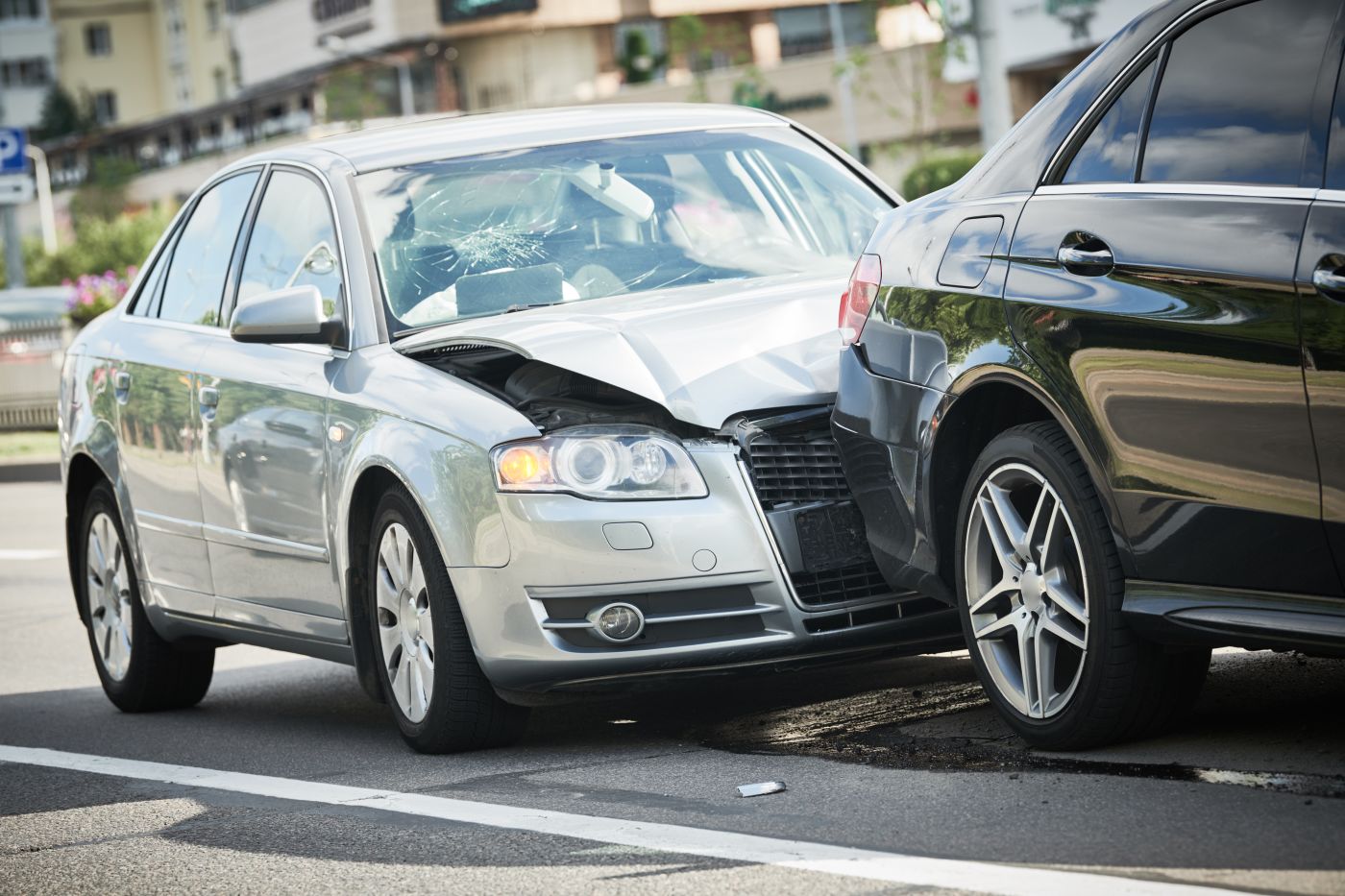
In recent years, you may have heard of friends using dashcams in their vehicles or even seen videos floating around the internet of dashcam footage from a harrowing auto accident. Because of this, you may be wondering whether you should get one for yourself or even ask, “Why is a dashcam important?”
The truth is, dashcams can be an indispensable resource for use in an insurance claim after an accident, but it’s important to know some specifics about how state dashcam laws can affect what you can and can’t use.
If you’d like to learn more about using dashcam footage in a lawsuit, contact Daniel T Pagliarini AAL. Our Honolulu, HI car accident lawyer provides experienced and compassionate representation to Hawaiians throughout Oahu, Maui, Big Island, Kauai, Lanai, and Molokai.
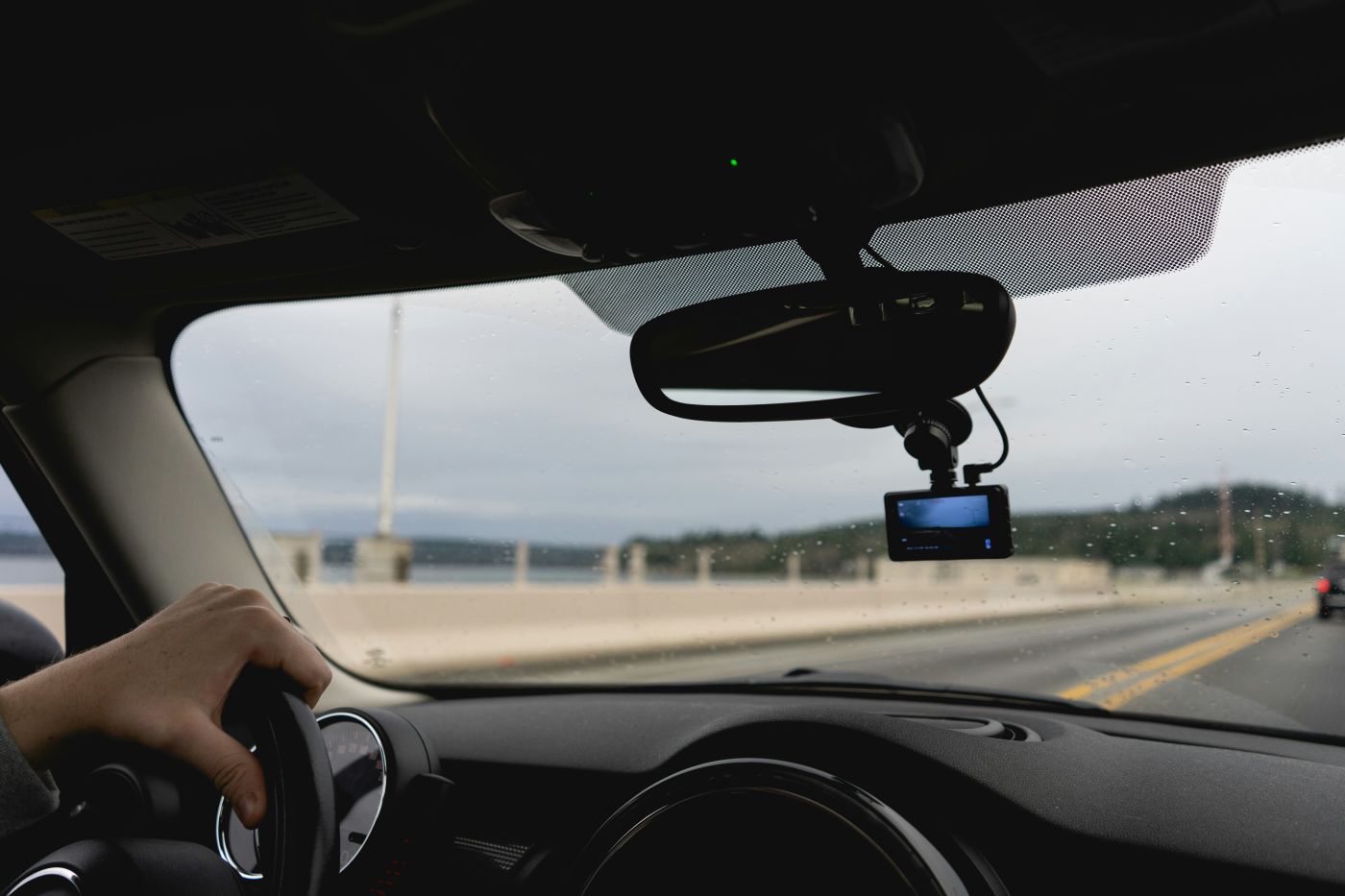
A dashcam is a small video camera that’s usually mounted on a vehicle’s dashboard, pointing straight out to the road ahead, essentially recording anything the driver is able to see. There are also some dashcams that can be pointed inwards and record what’s happening inside the car. Some can be mounted to the back window to record the road behind the vehicle. Some dashcams only record video while others record both video and audio.
Over the past several years, dashcam footage has been presented as evidence in courts and when dealing with insurance claims or personal injury lawsuits. This video evidence can be extremely useful because it can help you prove fault, which is essential to winning your case.
Even though dashcam footage is now a regular occurrence in the court system, it still shouldn’t be relied upon as your only source of evidence. Dashcam footage can be incredibly useful since it will theoretically show everything that happened in front of your car at the time of the accident and the events that led up to it, which can help establish fault or liability for the collision. However, the visual range of the dashcam may limit you.
Dashcams are almost always fixed to one spot, meaning anything that’s outside of its range of view cannot be recorded, so it may not be possible to fully show what caused the accident in the first place. You should also thoroughly examine the footage along with your personal injury attorney before submitting it as evidence because it could also be used against you. There may be something in the footage that calls your actions into question and may undermine your claim.
Even though dashcams are legal in all 50 states, there are still specific laws within each state regarding how your dashcam must be mounted in your car and when dashcam footage can be used. In Hawaii, a dashcam must be mounted to the top or bottom corner of your windshield and must have a square dimension of between 5 and 7 inches. You may also install a non-obstructive dashcam on your back window.
Additionally, you need to be aware of pertinent consent laws regarding recording other people. However, in Hawaii, only one person needs to give their consent to be recorded (that’s you), so any footage taken from your dashcam should be admissible in court.
There’s almost no way to fully protect yourself from getting into a car accident, even if you’re a consistently attentive and safe driver. Since there will always be hazards you can’t control, you should take proactive steps to protect yourself by installing and using a dashcam.
For personalized and attentive legal guidance in all your personal injury needs, reach out to us at Daniel T Pagliarini AAL in Honolulu, Hawaii. We have over three decades of personal injury and auto accident experience to offer, and we're ready to advocate for your fair compensation. Call or message us today to set up a free consultation.