Distracted Driving Laws in Hawaii
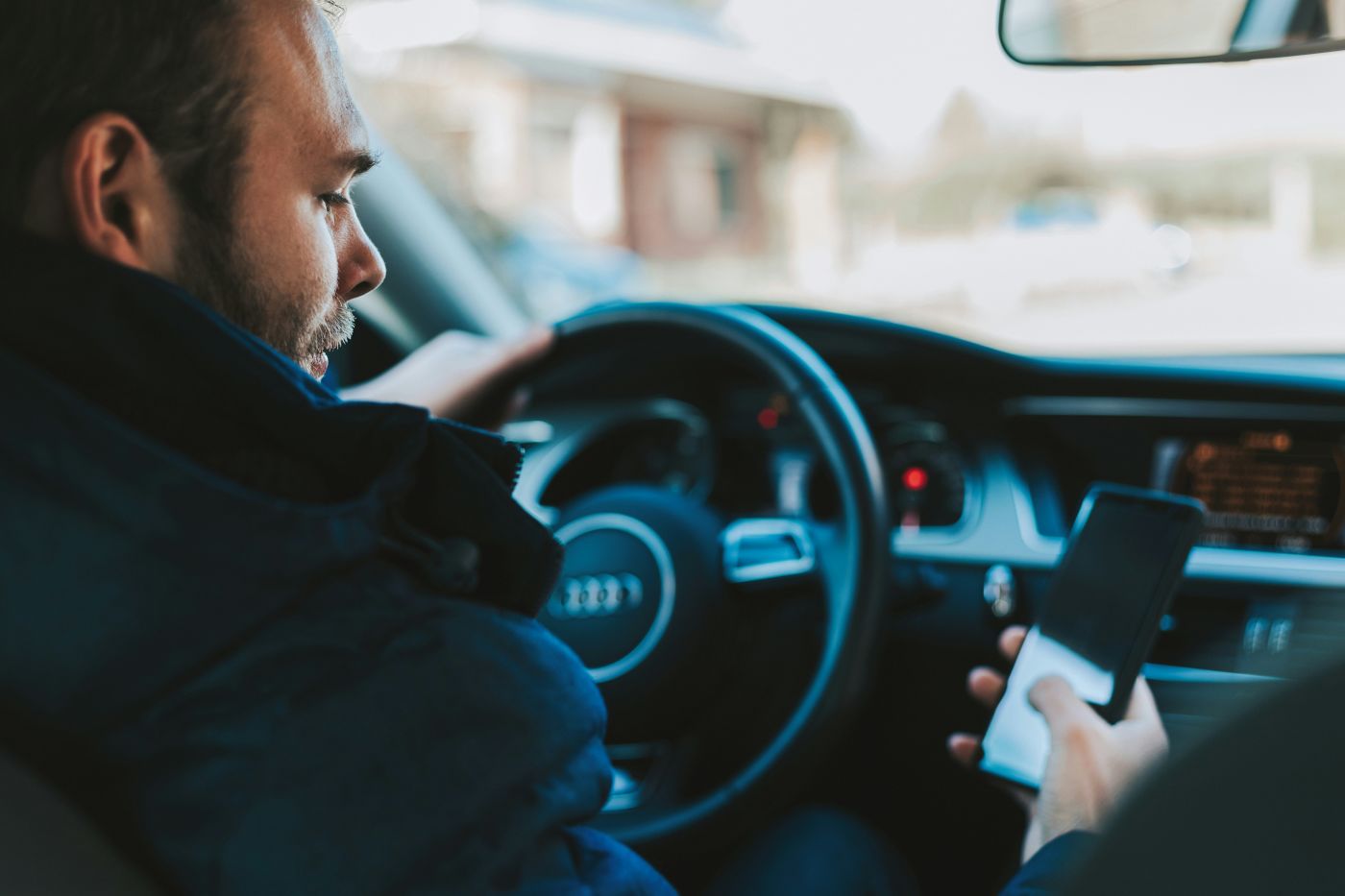
Distracted driving—like texting, eating, or adjusting controls—puts everyone at risk by taking your eyes, hands, and mind off the road.
Hawaii law prohibits handheld device use while driving, with limited exceptions.
Hawaii’s no-fault system covers initial medical costs, but you may pursue a claim against the at-fault driver for serious injuries.
Proving distracted driving often requires evidence like witness statements, camera footage, and phone records.
Most of us have been there. We pass another vehicle on the roadway, and the driver is not looking at the road. Perhaps they are on their phone, eating, drinking, talking to someone in the back seat, or reaching down to pick up something that fell on the floor.
Even if you have done something similar without thinking, seeing another driver drift toward the center line is alarming. It is a reminder of how quickly distraction can lead to a crash.
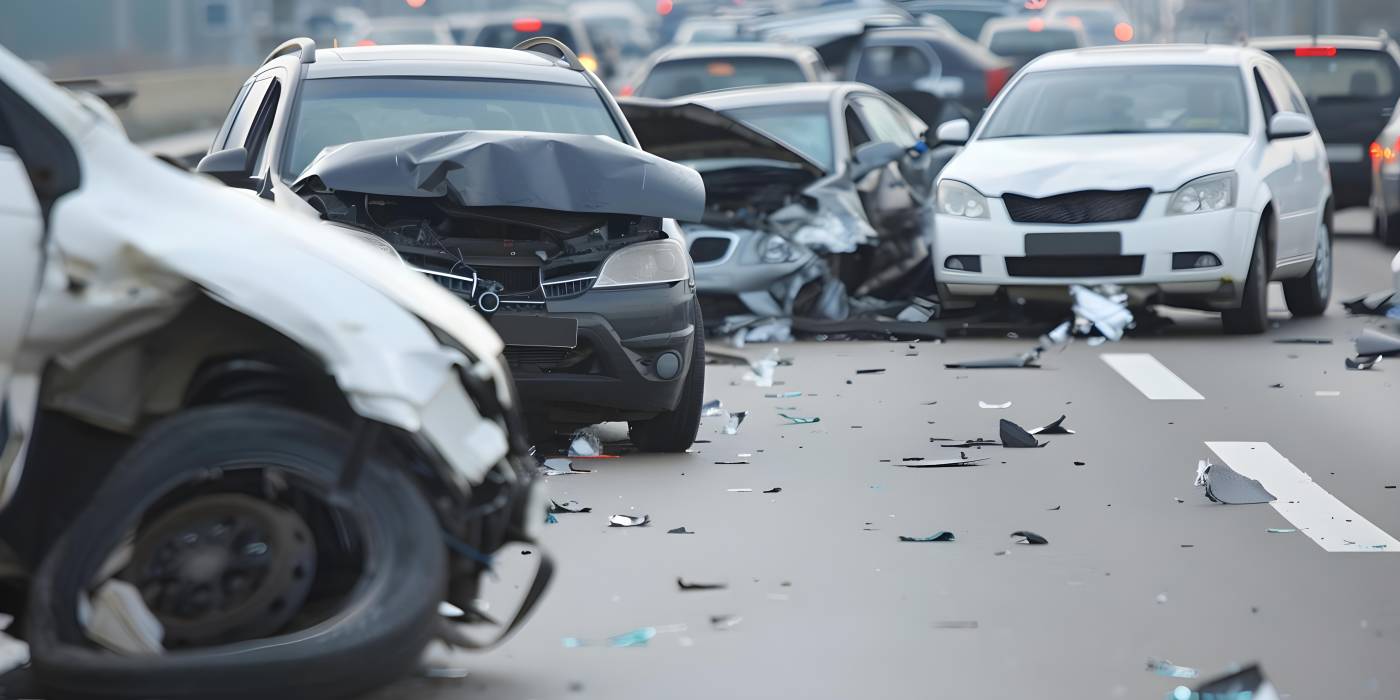
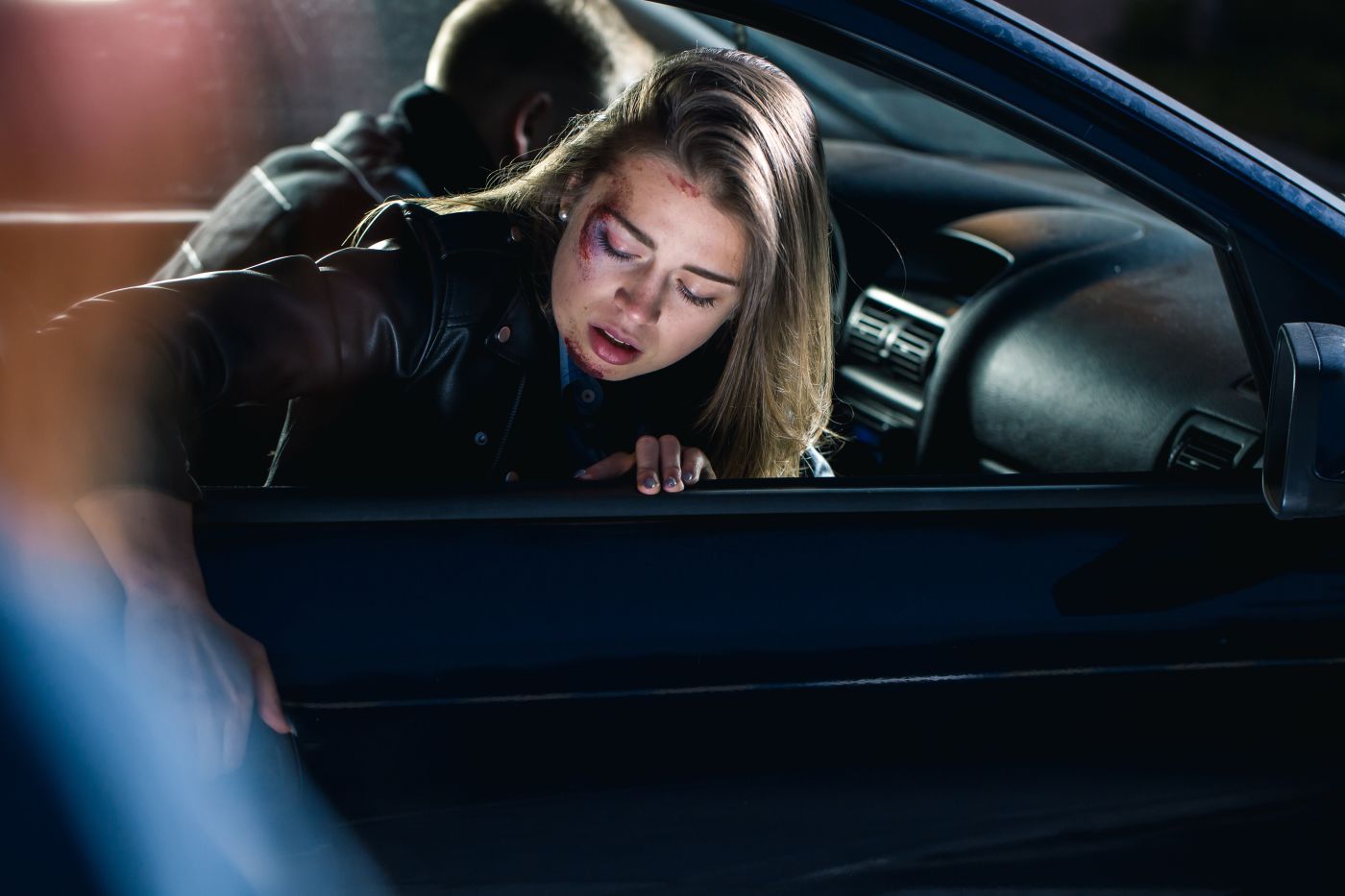
Texting and other inattentive driving behaviors are illegal in Hawaii for good reason. Taking your eyes off the road, even briefly, can have serious consequences. If you were injured by a distracted driver, you have the right to pursue compensation for your losses. Our Honolulu, HI car accident lawyer can help.
Daniel T Pagliarini AAL represents individuals injured in automobile collisions in Honolulu and across the Hawaiian Islands. Here is what you should know about distracted driving laws and your rights after a crash.
There are three actions required to operate a motor vehicle safely. They are vision, physical movement, and cognition. All three of these actions are compromised when someone is distracted while driving, which is what makes a distracted driver a danger to everyone else they share the road with.
Visual cues are vital for safe driving. Your eyes should be scanning the roadway in front and beside you and checking the side and rearview mirrors for potential dangers. Even when you need to check your speedometer or fuel gauge, you keep the road in front of you within your line of sight. Looking at anything or anyone else in the vehicle literally takes your eyes off the road.
One of the reasons seasoned drivers tend to be safer than new ones is because the former have a “feel” for the car. They can turn on signals, lights, or cruise control without looking away from the road. Moreover, they can usually do it while keeping both hands on the steering wheel at all times. Removing one or both hands to call, text, change the radio station, or do anything but drive is dangerous.
Finally, safe driving requires concentration. There are hundreds of situations and dangers to scan for while operating a vehicle. If your mind isn’t on the task at hand, how you react to normal or abnormal driving conditions will be affected.
The State of Hawaii prohibits all use of handheld electronic devices while operating a motor vehicle. While adult drivers can use hands-free and voice-command devices, drivers under the age of 18 cannot use even those.
The exceptions to Hawaii’s law are calling 911 while driving or using handheld electronic devices when legally pulled off the roadway and turning off the engine before using them.
Emergency responders are exempt from the handheld device prohibition in the course of their duties, as are some instances of the use of two-way radios and amateur radios.
Hawaii is a no-fault auto insurance state. That means your Personal Injury Protection (PIP) coverage typically pays for medical expenses, lost wages, and certain other costs after a crash, regardless of who caused it.
However, if your injuries are serious, permanent, or disfiguring, you may file a claim against the at-fault driver’s liability insurance. To do that, you must prove their negligence caused the accident and your injuries.
Showing that another driver was texting or otherwise distracted is not always simple, but it can be done through a detailed investigation. Evidence may include:
Admissions by the driver at the scene or during later testimony
Police reports documenting statements or observations
Witness accounts from people who saw the driver using a device
Camera footage from nearby homes, businesses, or traffic cameras
Phone records showing device use at the time of the crash
Obtaining certain evidence, like phone records or sworn testimony, often requires filing a personal injury lawsuit so the legal discovery process can begin.
If you believe the driver who hit and injured you was texting or otherwise distracted at the time of the crash, you need to work with an experienced personal injury attorney who leaves no stone unturned to prove it. Attorney Dan Pagliarini will seek to uncover everything he can to prove fault upon the person responsible for your injuries and other damages.
Let us get started on your case. Call Daniel T Pagliarini AAL in Honolulu, Oahu, now to schedule your free case consultation.